
Truth to Tools
-
Join 548 other subscribers
April 2024 M T W T F S S 1 2 3 4 5 6 7 8 9 10 11 12 13 14 15 16 17 18 19 20 21 22 23 24 25 26 27 28 29 30 Categories
Category Archives: proportions
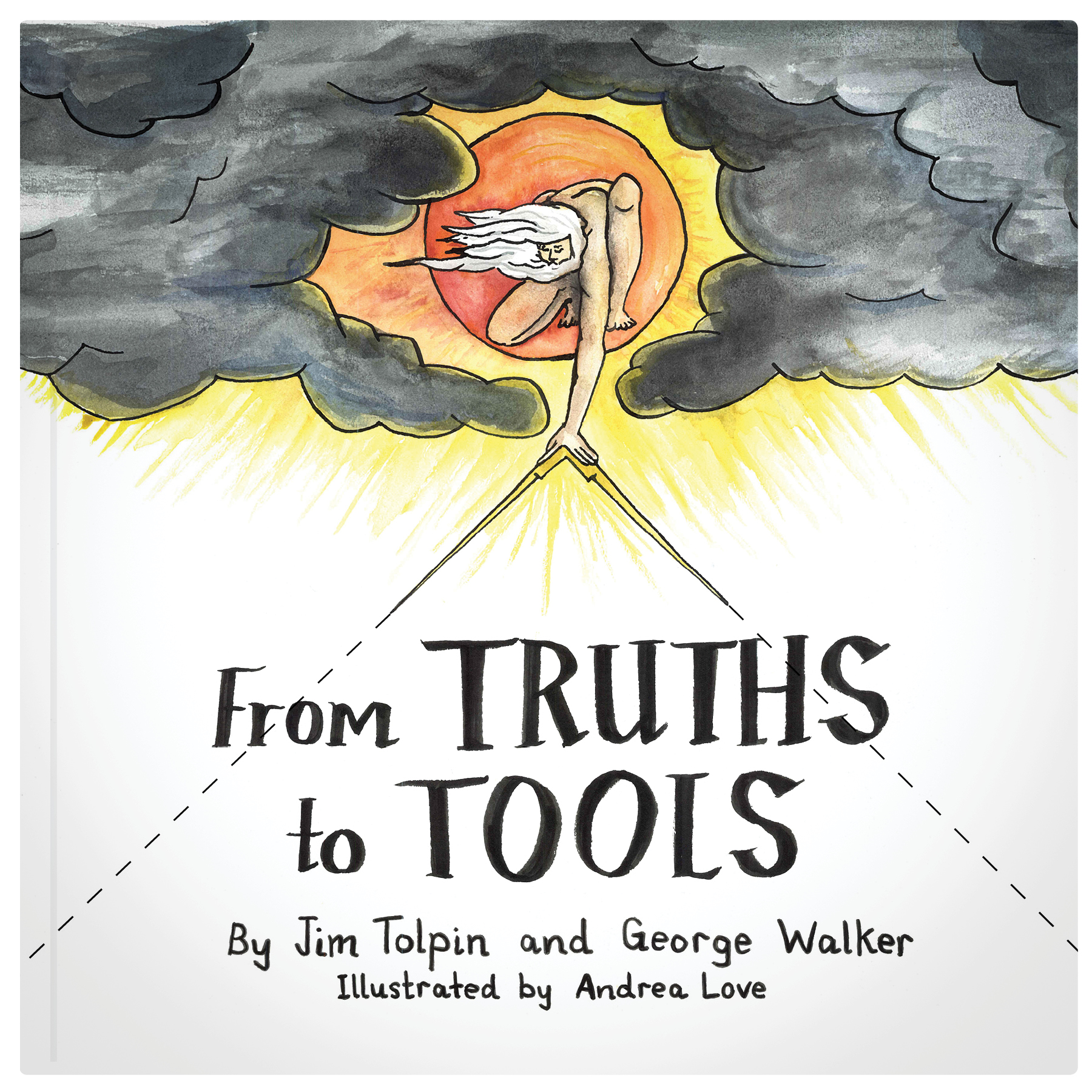
Design workbook coming in 2015!
Jim Tolpin and I are in high cotton. Even before By Hand & Eye was finished we sensed there was still a critical missing piece. That missing piece was a bridge that linked the head knowledge of design with … Continue reading
Posted in Design Basics, Design Book, proportions, Resources
10 Comments
Crossing the Line
Have you ever winced when someone admired your work and declared you an artist? I take it as a sincere compliment, but I think of my work as craft. If done well it extends our craft tradition, a reward in … Continue reading
Posted in Design Basics, proportions, The Classic Orders
7 Comments
Inch or Metric?
Machinists are spinning in their graves at what I’m about to share and I can’t quite believe it myself. It’s hard to explain the attachment one gets to a measuring system when you’ve made a living dodging hot steel chips … Continue reading
Posted in Design Basics, Design Book, proportions, tools
7 Comments
Design at the Point of a Tool
The February issue of Popular Woodworking Magazine prompted a woodworker to ask if I could give a little detail about the tool rack lurking in the background. Actually this plain but very functional tool storage rack was an early exercise in … Continue reading
Posted in Design Basics, proportions
15 Comments
Apprentice Sketchbook December 2011
Three months ago when I hit the send button to submit the December installment of my Design Matters column in Popular Woodworking Magazine, I did so with a bit of trepidation. The article, “Why Design”, is something of a departure. … Continue reading
Posted in Apprentice Sketchbook, proportions
5 Comments
Proportions add life to a design
Gaining fresh new insights working on the upcoming Lost Art Press book on design. As often happens when teaching or writing, the process forces you to flip over more stones in the creek bottom to see what might scurry out. I’ve … Continue reading
Posted in Design Basics, Design Book, proportions
4 Comments
Right up to the edge
Just back from a week in the Northwest with Jim Tolpin working on our upcoming book on furniture design. I was reminded while eating some amazing king salmon why I never order seafood back home. In the midwest we’ve got pork nailed, but nothing … Continue reading
Posted in Design Basics, proportions
2 Comments
The human connection
It’s full blown spring here in Northern Ohio. Barbie’s Hostas are coloring the brown garden beds with pure hues of green. The leaves are perfect and clean and create a miniature forest for migrating birds. Wood thrushes, Towhees, and white … Continue reading
Posted in Architecture, proportions, The Classic Orders
3 Comments
Use proportions to punctuate
Which of the three scenarios should make your heart skip a beat while canoeing? A. The river takes a sharp bend up ahead and you cannot see beyond the where the water turns a corner. B. You spot rapids ahead … Continue reading
Posted in Design Basics, proportions, The Classic Orders
Comments Off on Use proportions to punctuate
Get the proportions right
Weekend before last Barbie and I went up to Lake Erie in hopes of seeing the waterfowl migration. Starting in late Feb through March, large flocks of ducks, geese, and swans congregate in the wetlands between Sandusky and Toledo Ohio. … Continue reading
Posted in Design Basics, proportions, The Classic Orders
9 Comments
 Design Matters